
Have you ever looked at a mustard seed and wondered, “how big can you get if I plant you?” A mustard seed is quite small, usually around 1to 2 mm in diameter. It doesn’t exactly look like much. But when placed in ideal circumstances, it can grow up to about 6m high.
When Jesus Christ was on the earth, he spoke of a mustard seed, as shown in 3 of the 4 books in the Bible where His life on earth was documented: Matthew 13:31-32, Mark 4:30-34, and Luke 13:18-19.
“He put before them another parable: “The kingdom of heaven is like a mustard seed that a man planted in his field. Although it is the smallest of all seeds, yet it grows into the largest of garden plants and becomes a tree, so that the birds of the air come and nest in its branches.”” (Matt 13:31-32)
So the mustard seed is described as a garden plant, but capable of growing larger than the average garden plant. So much so, that birds come to nest in its branches. Birds normally pick trees or large, dense bushes to nest in, as they need sturdy branches and protection from the elements, and predators.
Why would he compare the kingdom of heaven to a mustard seed? To answer that, let’s take a look at the context. He was speaking to the people of Israel, who had all gathered to hear him speak. There are some parts that imply that amongst the crowd, were also Pharisees and Sadducees; who hated him. If I would make a comparison, merely to help understand the societal circumstance better, today, we would call them theologians, preachers, or spiritual leaders. They are part of a church hierarchy, who read and study the Bible, and then teach the lay folk. He described them in colourful terms, “brood of vipers”, “hypocrites”, and exposed their pride and the sense of entitlement that they were better than others.
Back to our question, why would royalty, something unique and valuable be compared to something so common? To show its true potential, to humble the elite, and to show that the value system of heaven is different than ours. An added reason is to also confuse the enemy. If there is a kingdom of heaven, there is a kingdom of the evil one. This entity; call him satan or the devil, is constantly looking to hinder the progress of the first kingdom. Picture 2 opposing nations; one good (A) and the other evil (B). The evil nation has an idea of what the long-term plans are of its enemy. They don’t know everything. They know the beginning, and they know that there is a day when nation (B) will attack and annihilate them. They only have the time in between, and they cannot waste it. They intercept messages from nation A, speaking of a coming king, a conquerer. So they think they know exactly what is said, so they do everything they possibly can to delay this king; because every delay works in their favour, every plan destroyed is a win for them. So nation A has to be smarter, and show that it is more powerful, by unconventional means.
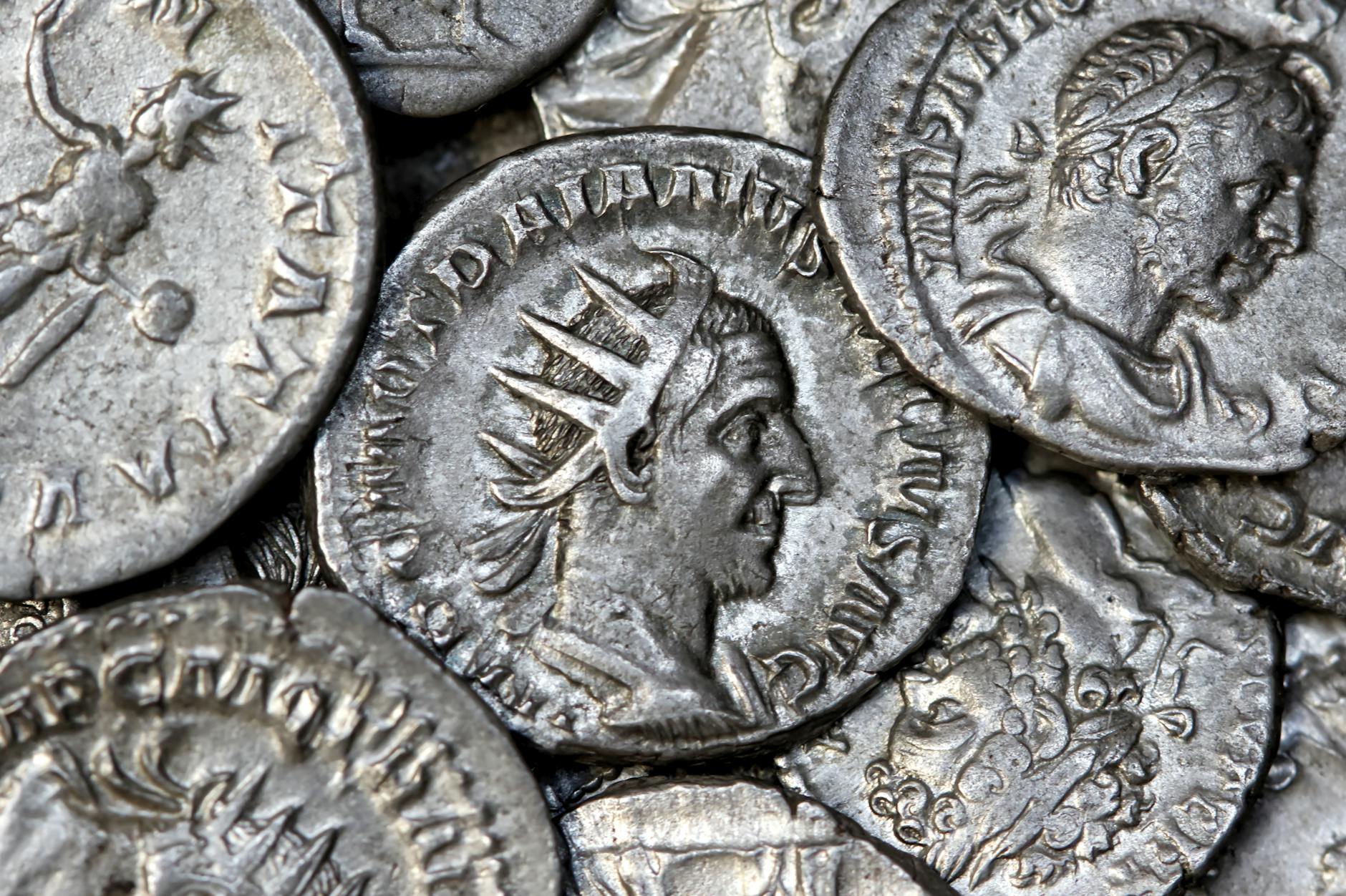
The words of Jesus Christ, still hold true today. He was born poor, He never sought fame or renown, or to overthrow the roman empire and establish His own kingdom. In fact, when asked, He instructed the Jews to pay their taxes to Caesar.
Christ was a friend to the poor, the homeless, and the outcasts of society. His followers were not men of status, or privilege. They were common men; not highly educated, they did not have anything that society would consider ‘potential’. But Jesus picked them out, selected them, and entrusted his most important mission to them. They spread his message, gave up everything, even their own lives for His cause. Jesus announced the coming of his revolution through this parable.
.
This is the legacy of the kingdom of heaven: Jesus chooses ordinary humans to fulfill His extraordinary purpose for humanity.
And so I challenge you reader, as I pose myself this same question: how does my value system align with that of Jesus?
Join me next week as we connect the mustard seed to another one of Jesus’s parables.
